In Short
- Gums that bleed regularly are usually inflamed, most often from plaque, and shouldn't be written off as normal.
- Carry on brushing and flossing gently — skipping the sore spot just hands plaque more time to inflame it.
- Healthdirect estimates roughly 30% of Australian adults live with moderately severe or severe gum disease, and it can be painless.
- Bleeding that is heavy, frequent or comes with swallowing trouble, a fever or a sore that won't heal should be checked promptly.
A little blood in the basin after brushing is easy to shrug off.
When it happens again and again, though, your gums are telling you something.
The pattern of when and how they bleed is a surprisingly good clue to why.
Reading the Pattern
Healthdirect lists gum disease, other mouth conditions, dental procedures and injuries among the main causes. Here's how to match your own situation to the likeliest explanation.
Only when you floss, after a long break
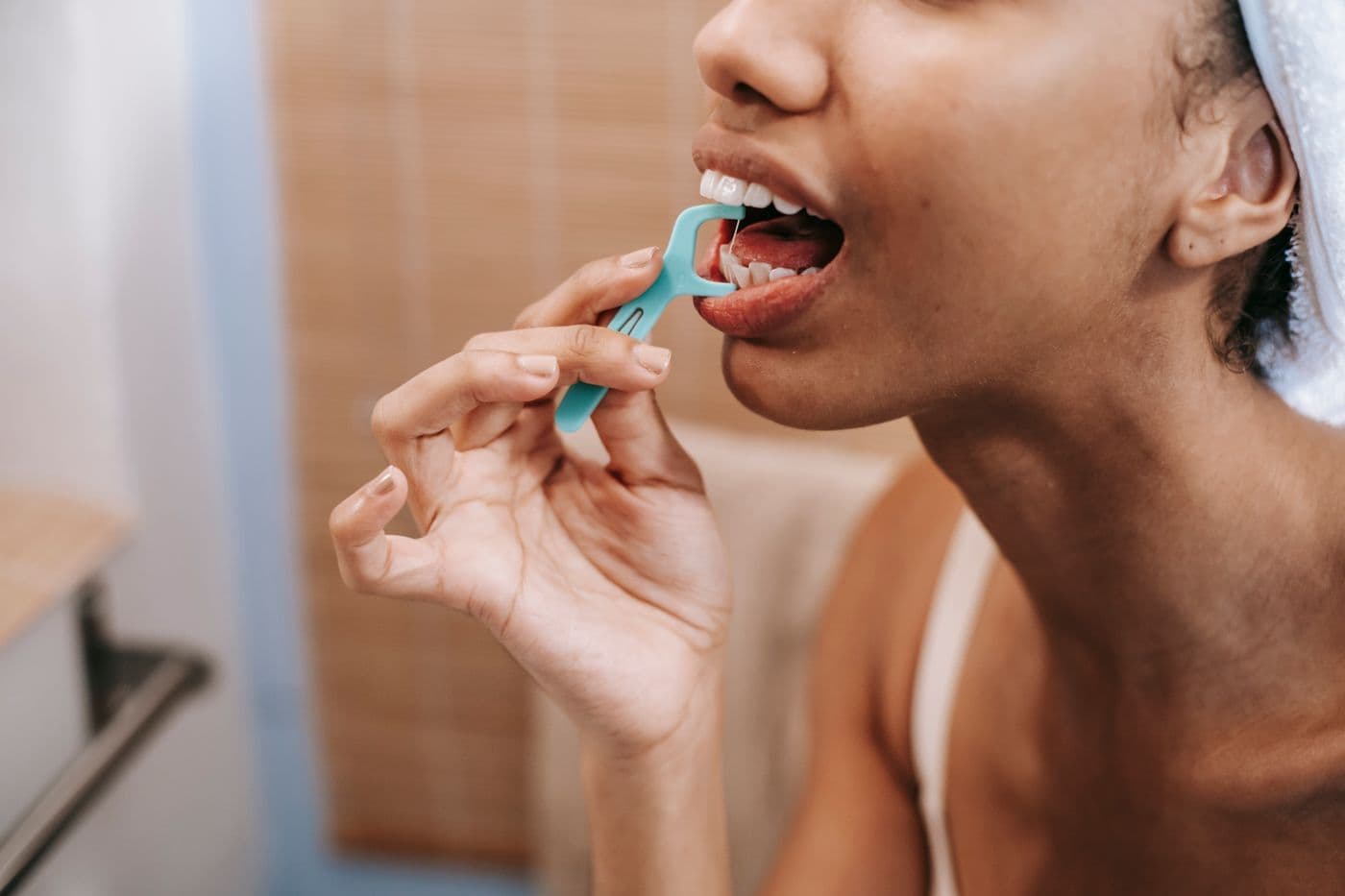
Gums that haven't been cleaned between the teeth in a while are often inflamed and bleed easily. Keeping at it daily usually settles things within a couple of weeks.
Most times you brush, plus puffy or red gums
This is the classic pattern of plaque-related inflammation, the early stage of gum disease, and a professional clean is usually needed to clear what's built up.
Only after scrubbing hard or with a stiff brush
Heavy-handed brushing can bruise the gum margin without cleaning any better. Bristles that are soft, a light touch and short strokes are the safer combination.
During pregnancy or puberty
Hormonal changes can make gums more reactive to plaque, which Healthdirect lists among the factors that raise gum disease risk.
After dental work or an injury
Some oozing is expected. Healthdirect's advice is firm gauze pressure for 30 minutes without rinsing, and a call to us if it won't stop.
Often, with no obvious cause
Persistent bleeding with no clear trigger deserves an examination. It can be gum disease, a medicine effect, or something else that needs ruling out.
Why You Shouldn't Stop Cleaning
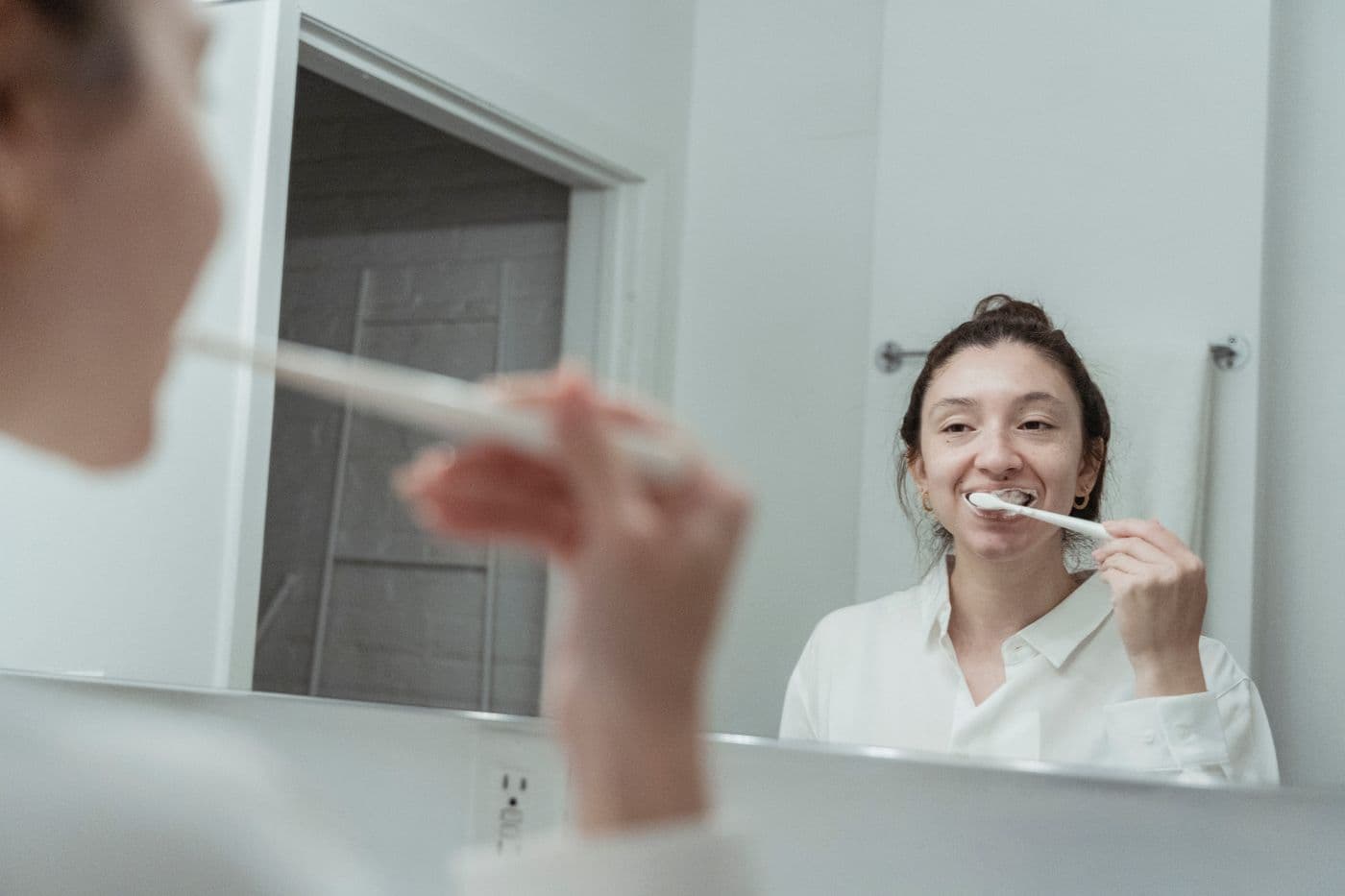
It feels counterintuitive, but cleaning the bleeding area is what helps it heal. Plaque is the culprit in most cases, and leaving it undisturbed just keeps the gums inflamed. Healthdirect's advice is a gentle brush with fluoride paste after every meal (or a rinse when brushing isn't possible), plus floss once a day.
Angle the bristles lightly towards the gumline and work in short, controlled strokes. Pressing harder only aggravates the tissue; it won't shift hardened tartar, which needs a professional clean.
Swishing with warm salty water may ease tenderness for a little while, though it won't treat gum disease. If bleeding hasn't improved after a couple of weeks of careful cleaning, it's time to get it looked at.
A check-up and clean is $129 and helps pin down what's driving your bleeding, whether that's plaque, tartar or something deeper.
Is It Gum Disease?
Often, yes, especially when bleeding comes with redness, swelling, bad breath or gums that seem to be pulling back. The early stage, gingivitis, is reversible. If it progresses to periodontitis the bone supporting your teeth can be lost, and Healthdirect's gum disease page estimates that around 30% of Australian adults are affected at a moderate or severe level.
Because it's frequently painless, don't wait for a toothache. Our guide to gum disease stages and treatment explains what happens if it's found, and our gum disease treatment service covers the care itself.
At Mount Druitt Dental Care
Gums Still Bleeding?
Let's find the cause and get it under control.
When to Book, and When to Hurry
Book a regular appointment if bleeding is frequent, persistent or unexplained, or comes with swollen gums, recession, bad breath, a loose tooth or new gaps between teeth. Healthdirect says to seek care promptly for any of the following:
- Frequent or heavy bleeding from the mouth
- A mouth sore that hasn't healed within 2 weeks
- Difficulty swallowing or speaking
- Red or white patches inside your mouth
- A fever of 38°C or higher
If bleeding is heavy, hard to control, follows a significant injury, or comes with severe swelling or trouble breathing, treat it as an emergency and call 000. For bleeding after an extraction or injury, Healthdirect advises pressing gauze or a clean cloth over the area for 30 minutes without rinsing. We keep same-day slots in our emergency dental service, and our emergency guide explains when something can't wait.
Prevention is the same simple routine Healthdirect recommends: gentle brushing twice a day, daily flossing, avoiding smoking, limiting alcohol and sugar, and keeping up your regular check-ups. If treatment turns out to be needed, our payment plans can help.
Please note: This is general information as of October 2026 and not a diagnosis. Leave prescriptions to your doctor to adjust, and tell us what medicines you take.