Jaw Pain Relief
TMJ Treatment
Mount Druitt
Relief from jaw pain, clicking and headaches
TMJ disorders affect the jaw joint and surrounding muscles, causing pain, grinding, clicking and headaches that can significantly impact daily life. Our non-surgical, conservative approach relieves symptoms and protects your teeth from further damage.
- Comprehensive jaw examination and bite analysis
- Digital X-rays to assess joint and tooth structure
- Custom-fitted occlusal splint (night guard)
- Personalised jaw exercise and self-care program
- Ongoing monitoring and treatment adjustment
821+ Google Reviews
Verified · 4.8 average
How We Help
Treating the Cause, Not Just the Symptoms
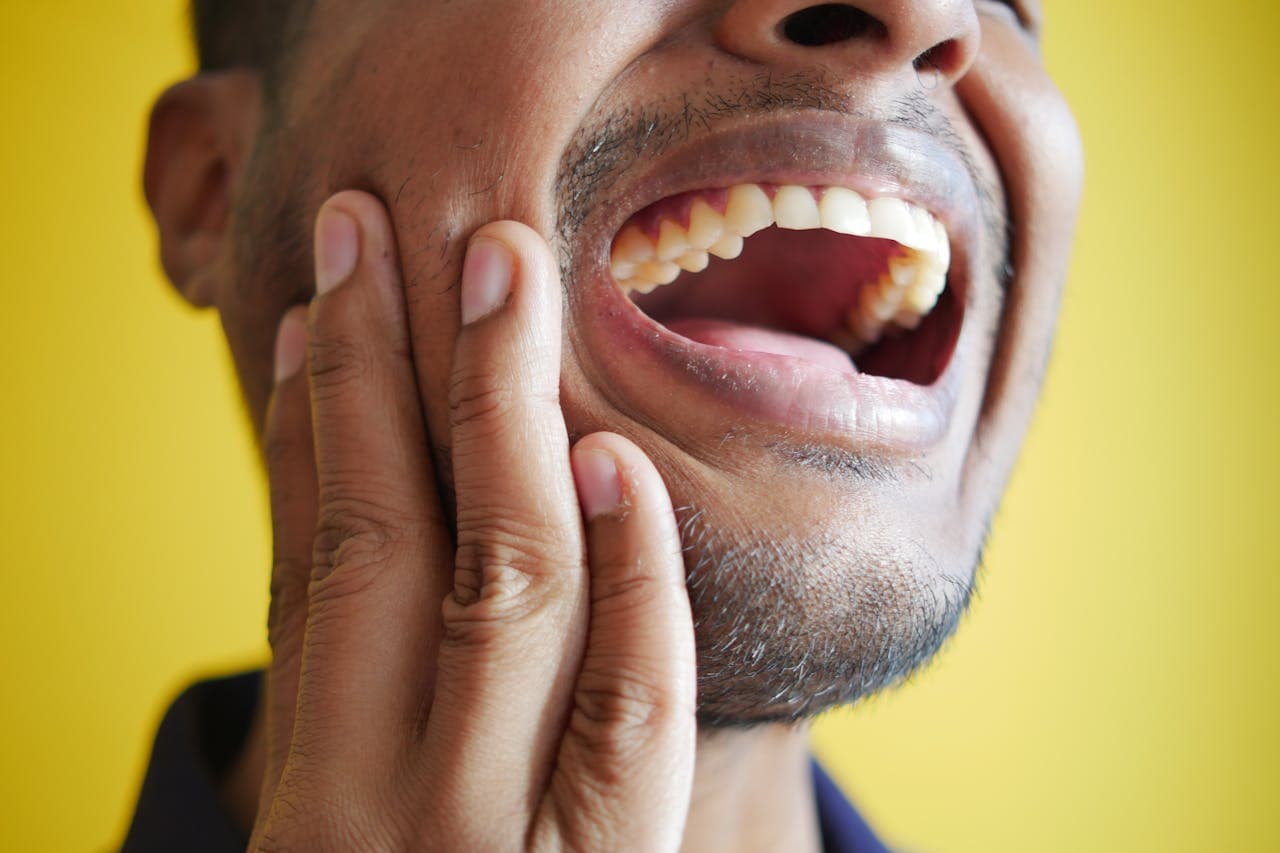
TMJ disorders are more common than most people realise — and they're often misdiagnosed or overlooked for years. Jaw pain, morning headaches, a clicking or locking jaw, ear pain, and worn or sensitive teeth are all signs that your jaw joint and muscles may be under stress.
The most common driver is bruxism — teeth grinding and clenching, often during sleep. A custom occlusal splint worn at night prevents tooth wear, reduces the load on the jaw joint, and allows the surrounding muscles to relax. For many patients, this alone provides significant relief.
We combine the splint with a personalised jaw exercise program and practical lifestyle advice — managing stress, posture, and dietary triggers — to address the root causes and achieve lasting improvement.
Often covered under dental extras. Occlusal splints are claimable with most health funds. We'll check your entitlement on the spot via HICAPS.
The Process
What to Expect at Your TMJ Assessment
A thorough, step-by-step approach to understanding and relieving your jaw pain.
Jaw Assessment & Diagnosis
We examine your jaw joints, bite, and teeth for signs of grinding, clenching, misalignment and wear. X-rays are taken where needed.
Impressions for Your Splint
Precise impressions of your teeth are taken to fabricate a custom occlusal splint — a hard or soft guard worn to protect your teeth and relax the jaw.
Splint Fitting & Adjustment
Your splint is fitted and adjusted to ensure comfortable wear. We check your bite carefully so the splint works effectively from day one.
Review & Ongoing Management
We monitor your progress, adjust the splint as needed, and provide a home exercise program to support long-term jaw health and pain relief.
Why It Matters
TMJ Disorder — More Common Than You Think
Jaw pain and grinding affect millions of Australians — and effective, non-surgical relief is available.
0 in 4
Australians experience jaw pain or TMJ symptoms at some point in their lifetime.
Non-surgical
The majority of TMJ disorders respond well to conservative, non-invasive treatment.
0 in 4
Patients report significant reduction in jaw pain and headaches with a properly fitted occlusal splint.
FAQs
Common Questions
TMJ disorder (temporomandibular joint disorder) refers to a group of conditions affecting the jaw joint and surrounding muscles. It can cause pain in the jaw, face and neck, clicking or popping sounds when opening the mouth, headaches, ear pain, and difficulty chewing.
Common causes include teeth grinding (bruxism), jaw clenching from stress, bite misalignment, jaw injury, arthritis in the joint, and poor posture. Often it's a combination of factors. A dental assessment can identify the contributing causes in your specific case.
An occlusal splint (also called a night guard or bite plate) is a custom-fitted hard acrylic device worn over your upper or lower teeth — usually during sleep. It prevents grinding and clenching, reduces pressure on the jaw joint, and allows the jaw muscles to relax.
Occlusal splints are often covered under dental extras. The level of rebate varies by insurer and policy. We use HICAPS for instant on-the-spot claiming so you can check your entitlement at your appointment.
Many patients notice a reduction in symptoms within the first few weeks of wearing a splint. Full improvement may take 2–3 months of consistent use. Ongoing management and lifestyle changes — such as stress reduction and avoiding hard foods — are important for long-term results.
For many patients, symptoms can be effectively managed and significantly reduced with conservative treatment. While some chronic cases require ongoing management, the majority of people with TMJ disorder see meaningful improvement with a splint, jaw exercises and habit changes.
Explore More Services