Oral Surgery
Wisdom Teeth Removal
Mount Druitt
Expert removal with thorough recovery support
Problematic wisdom teeth cause pain, infection and crowding. Our experienced dentists assess each tooth individually and only recommend removal when it's genuinely necessary — with gentle technique and complete aftercare support.
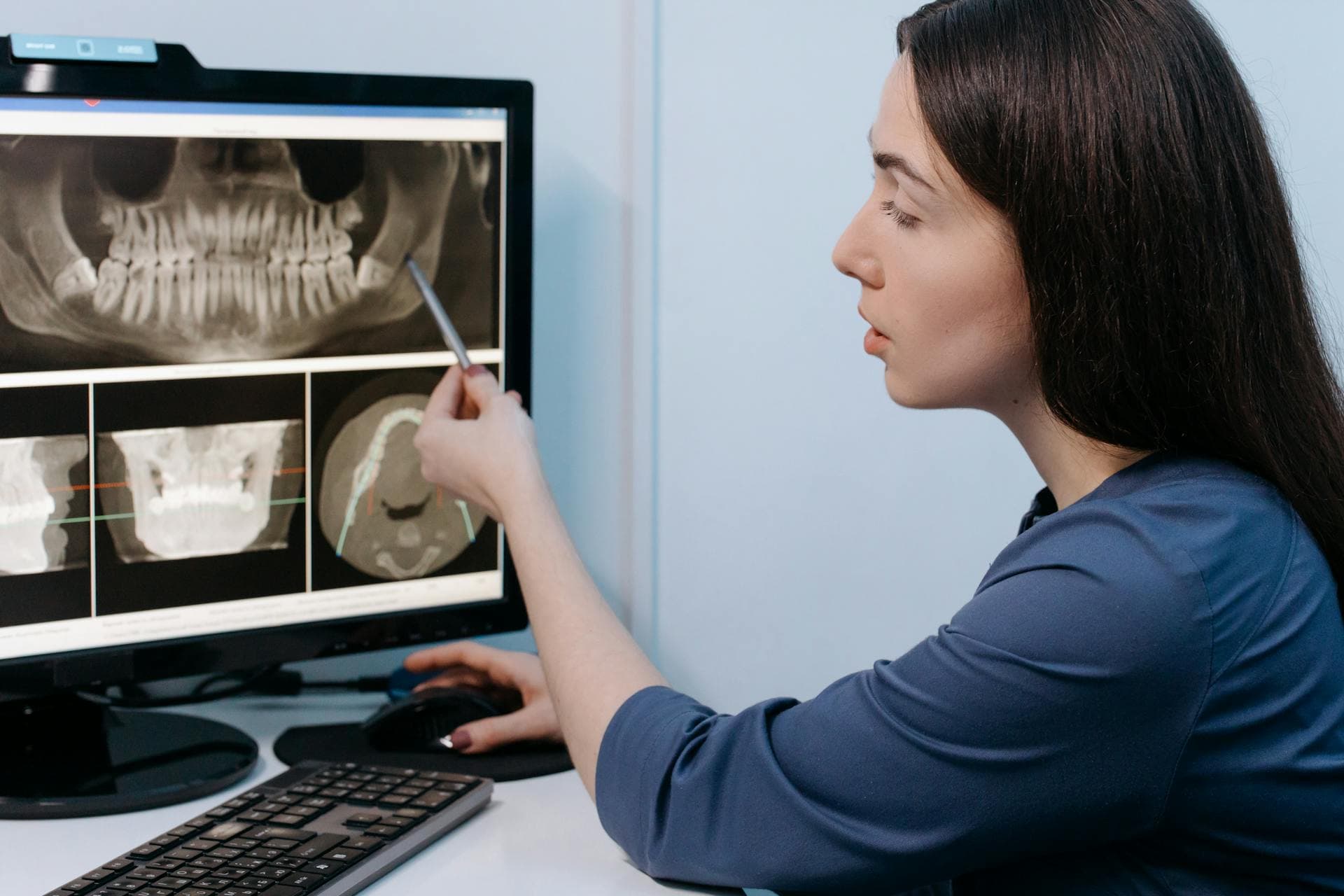
- Digital X-rays and comprehensive assessment
- Local anaesthetic for a comfortable procedure
- Simple or surgical wisdom tooth removal
- Post-operative care pack and written aftercare instructions
- Follow-up appointment to confirm healing
821+ Google Reviews
Verified · 4.8 average
How We Help
Honest Assessment, Gentle Removal, Complete Recovery Support
Wisdom teeth typically emerge between the ages of 18 and 25. When there isn't enough room in the jaw to accommodate them, they become impacted — trapped below or partially through the gum — causing pain, recurring infection, damage to neighbouring teeth, and in some cases, cyst formation.
We take an honest approach to wisdom tooth assessment. Not all wisdom teeth need to come out — only those causing problems or at clear risk of doing so. We'll take X-rays, explain your options clearly, and recommend removal only when it's genuinely in your best interest.
When removal is needed, we perform the procedure with precision and care, using local anaesthetic to ensure your comfort throughout. We provide a full aftercare pack and follow-up appointment so your recovery is well supported.
Interest-free payment plans available for wisdom tooth surgery. Ask us about your options at your consultation.
The Process
What to Expect at Your Appointment
From assessment to recovery — here's exactly what happens at every stage.
Assessment & X-Rays
We take digital X-rays to assess the position, angle and root development of your wisdom teeth and determine the best approach for removal.
Local Anaesthetic
The area is fully numbed before we begin. For surgical extractions, sedation options are available if you're feeling anxious.
Gentle Removal
Simple erupted wisdom teeth are removed with forceps. Impacted teeth may require a small incision and sectioning of the tooth for safe removal.
Recovery & Follow-Up
We provide a full aftercare pack and written instructions. A follow-up appointment is included to confirm healing is progressing well.
What to Know
Wisdom Teeth — Key Facts
Understanding your wisdom teeth helps you make an informed decision about whether removal is right for you.
0–25
Is the typical age range when wisdom teeth erupt — and when problems most often emerge.
0–2 wks
Is all most patients need to fully recover from wisdom tooth removal.
Not always
We assess each wisdom tooth individually and only recommend removal when necessary.
FAQs
Common Questions
No. We assess each wisdom tooth individually. If a wisdom tooth is fully erupted, correctly positioned and easy to clean, removal may not be necessary. We only recommend removal when a tooth is causing problems or is at clear risk of doing so.
Pain or pressure at the back of the jaw, swollen or bleeding gums around the wisdom tooth, repeated infections, difficulty opening the mouth, crowding of nearby teeth, or a partially erupted tooth that's trapping food and bacteria are all indicators.
An impacted wisdom tooth is one that cannot fully erupt because it's blocked by adjacent teeth, bone or gum tissue. Impacted wisdom teeth may grow sideways, partially emerge, or remain completely buried — and they commonly cause pain, infection and damage to neighbouring teeth.
The procedure is performed under local anaesthetic, so you won't feel pain — only pressure. Post-operative discomfort is normal and managed with standard pain relief. Most patients find the recovery much easier than they expected.
Most patients recover within 1–2 weeks. The first 2–3 days involve the most swelling and discomfort. We provide a detailed aftercare pack with everything you need to manage your recovery at home.
Explore More Services
Other Services You May Need
Tooth Extraction
Gentle removal of other problematic teeth
Emergency Dental
Same-day relief for wisdom tooth pain
Gum Disease Treatment
Treat infection around wisdom teeth
Root Canal Treatment
Save a tooth before extraction is needed
Dental Check-Up
Monitor wisdom tooth development
Children's Dentistry
Early assessment for teenage patients