In Short
- Gingivitis, the early stage, can usually be turned around; periodontitis eats into the bone holding your teeth and is managed rather than cured.
- Healthdirect puts moderate-to-severe periodontitis at around 3 in 10 adults, well above the 1 in 10 who report having gum disease.
- Care is staged: an assessment, a below-the-gumline deep clean, a review, then maintenance, with surgery reserved for selected advanced cases.
- Daily brushing and cleaning between your teeth is what keeps professional treatment working.
Gum disease rarely announces itself.
There's usually no toothache, just a bit of pink in the sink that's easy to ignore.
That quiet start is exactly why it's so common, and why it's worth understanding.
More Common Than People Admit
In the 2021 National Dental Telephone Interview Survey, about 11% of Australian adults told the AIHW they had gum disease. But when researchers actually examined people's mouths in the 2017–18 National Study of Adult Oral Health, moderate or severe periodontitis turned up in around 30% of adults with natural teeth. That gap suggests a lot of people have it without knowing.
It starts with plaque, the sticky bacterial film along the gumline. Left alone it hardens into tartar, which a toothbrush can't remove, and the gums become inflamed.
Two Stages, Two Very Different Outcomes
Gingivitis
Red, puffy or bleeding gums with no permanent bone loss. A professional clean and better home care can usually return the gums to health.
Periodontitis
The disease has moved below the gumline, pockets form and bone is lost. It can be controlled but not cured, so the goal is to stop it progressing.
According to Healthdirect, the risk goes up if you:
- Smoking, or regular alcohol
- Diabetes
- High stress
- Medications that leave your mouth dry
- A diet low in nutrients
- Hormone shifts around puberty or pregnancy
- Relatives who've had it too
What Treatment Looks Like, Visit by Visit
Our gum disease treatment is built around staged care, with the gums reassessed before anything more is considered.
Visit 1 · Gum assessment
We measure the depth of the pocket around each tooth, note any bleeding and recession, and take X-rays to check the bone beneath.
Visit 2 (and 3) · Deep clean
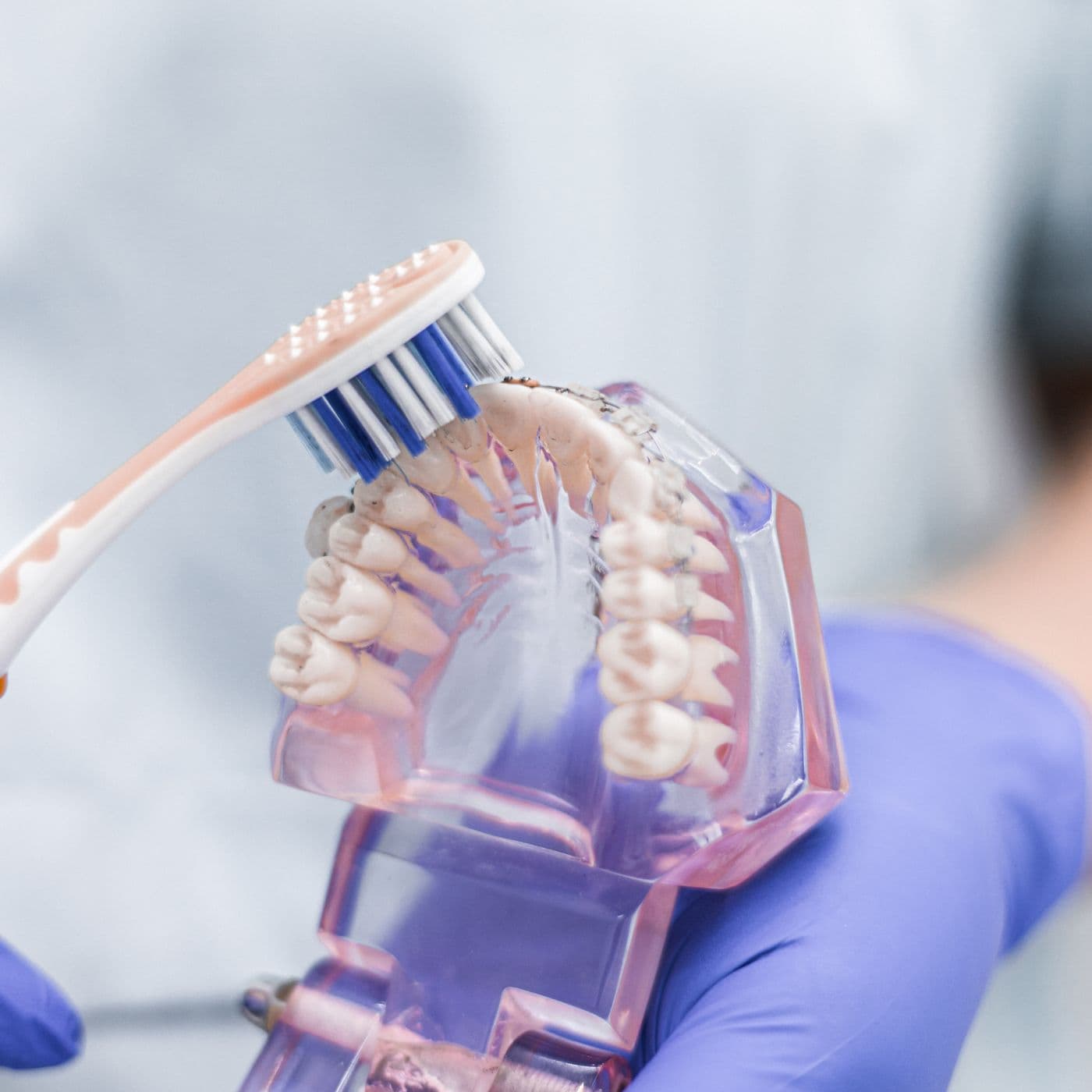
Specialist instruments lift plaque and tartar from beneath the gumline (scaling), then the root surfaces are smoothed (root planing) so the gum can settle back against them. We use local anaesthetic for comfort, and the work may be split across visits.
A few weeks later · Review
We re-measure the pockets and check for bleeding to see how well the gums have responded, and whether anything needs a second look.
Ongoing · Maintenance
A personalised schedule of cleans and checks keeps the disease under control, with antibiotic support only where it's clinically needed.
Not sure where your gums stand? Start with a $129 check-up and clean, which includes a full exam and X-rays if they're needed.
At Mount Druitt Dental Care
Worried About Your Gums?
We'll measure, explain what we find and map out the next step.
Keeping the Result
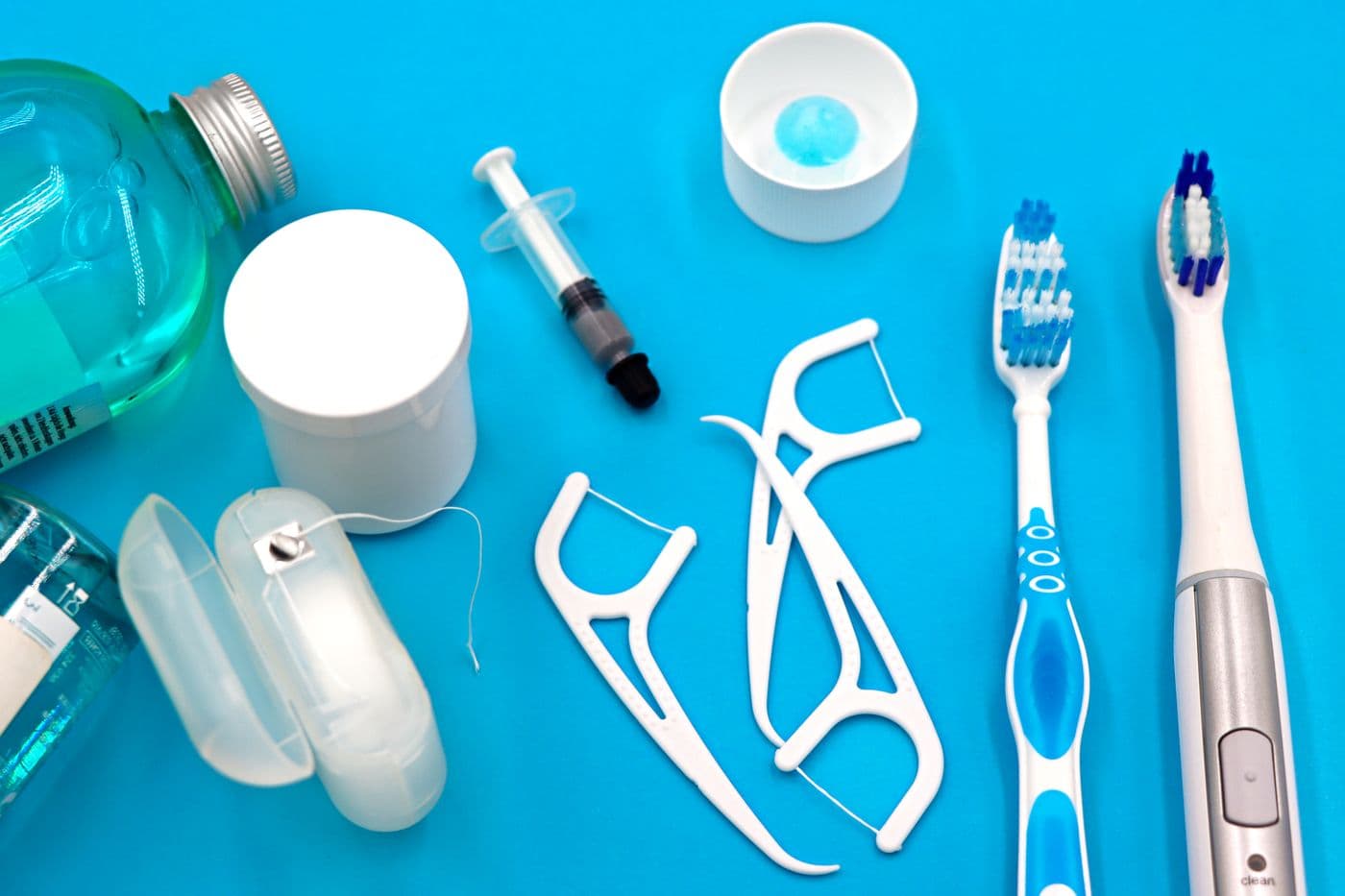
Professional care clears what's already there, but plaque rebuilds every day. Healthdirect's prevention advice is to brush gently twice daily with a soft toothbrush and fluoride toothpaste, floss daily, and keep up regular check-ups, even if brushing makes your gums bleed at first.
How often you come back for maintenance depends on how your gums respond, whether you smoke, and conditions like diabetes. If bleeding is your main concern, our guide to bleeding gums covers the common causes.
What It Costs
We can't price your treatment until we've measured your gums, because the number of affected areas drives the plan. As a yardstick, CHOICE reports an average of about $123 (range $93–$171) for a basic scale and clean in the ADA's 2022 fee survey; deep cleaning below the gumline costs more. Our payment plans can spread the cost.
Please note: This article is general information as of October 2026. What's right for you depends on what an examination finds, so book an assessment for advice on your own gums.