In Short
- Having wisdom teeth isn't a reason to remove them — removal is recommended when a tooth is causing, or clearly heading towards, a problem.
- Most wisdom teeth are removed under local anaesthetic; sedation or general anaesthetic is kept for tougher or more anxious cases.
- Using ADA 2022 fee-survey data, CHOICE reports roughly $149–$300 a tooth for an everyday extraction at a general practice, and $315–$599 a tooth for difficult cases treated by a specialist in a hospital or day-surgery setting, with hospital and anaesthetist charges on top.
- Healing can take up to a fortnight, and pain that's severe a few days in, heavy bleeding or a fever all warrant a phone call.
Almost everyone is told at some point that their wisdom teeth will "need to come out."
That's far from always true.
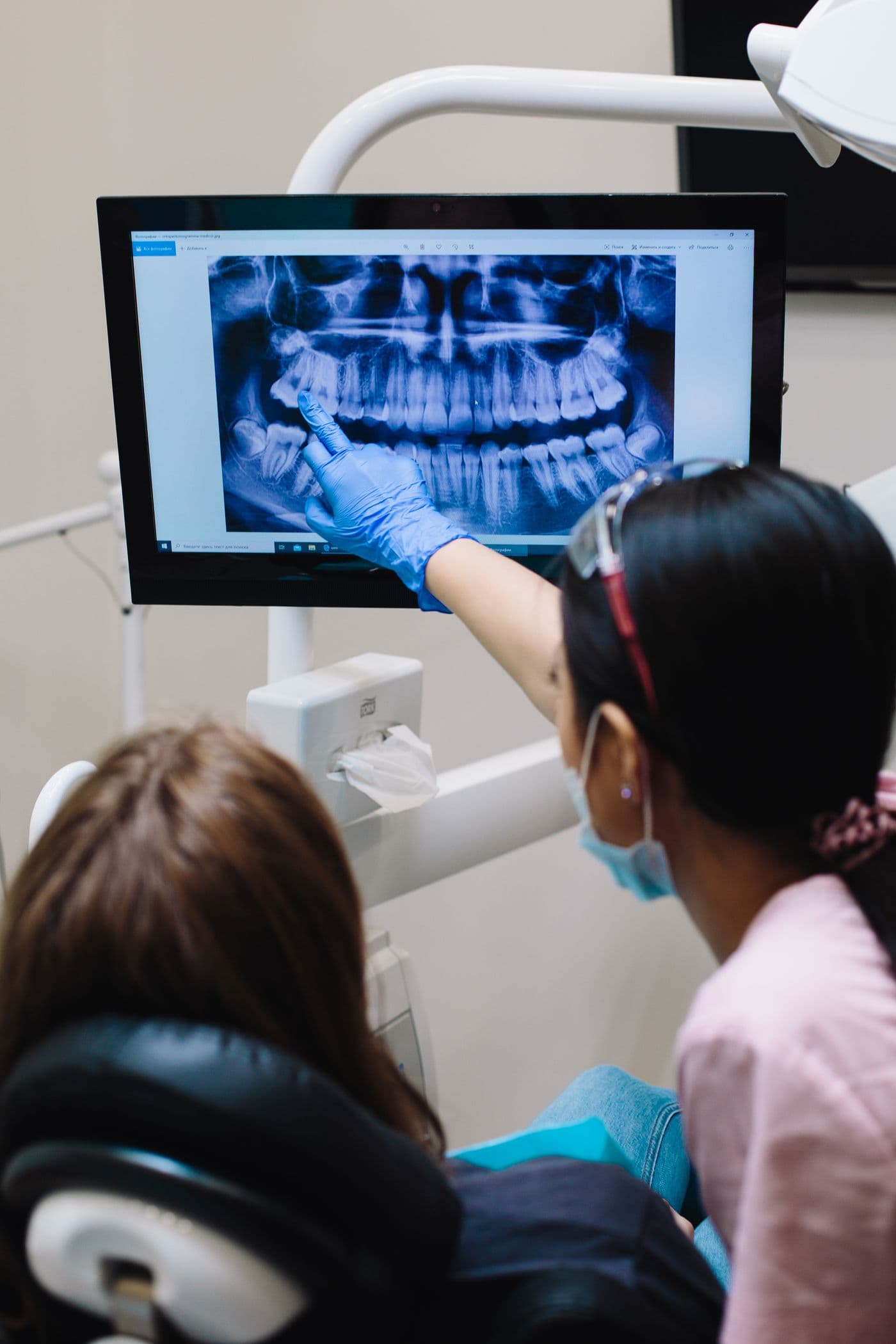
The real question is whether yours are causing trouble, and an X-ray answers it better than guesswork.
Keep, Watch or Remove?
Wisdom teeth are the last molars to arrive, usually pushing through the gums somewhere between 18 and 25 according to Healthdirect. Four is typical, but plenty of people end up with a different number, including none.
A tooth that has room, sits straight and can be cleaned properly can simply stay, with a regular check-up keeping an eye on it. Removal comes into the picture when a tooth is impacted, repeatedly infected, decaying, damaging its neighbour, or tangled up with a cyst (which is rare).
An impacted tooth is simply one that can't come through properly because it's wedged against bone or the tooth in front. The Better Health Channel notes that these teeth are harder to clean, which raises the risk of decay and gum infection — and that sideways-leaning teeth can rub against the cheek and cause ulcers.
Signs Worth Getting Looked At
- Pain or pressure at the very back of your jaw that keeps coming back
- A red, puffy or tender flap of gum beside a tooth that's only half through
- Food that gets trapped behind your last molars no matter how well you clean
- A bad taste or breath that seems to come from the back corner of your mouth
- Stiffness when opening wide, or swelling along the jaw
- Decay showing up on a wisdom tooth or on the tooth in front of it
Healthdirect advises making an emergency appointment if you think a tooth may be infected, or you have severe swelling or severe pain. We keep same-day slots for exactly this — see our emergency dental service.
How the Decision Gets Made
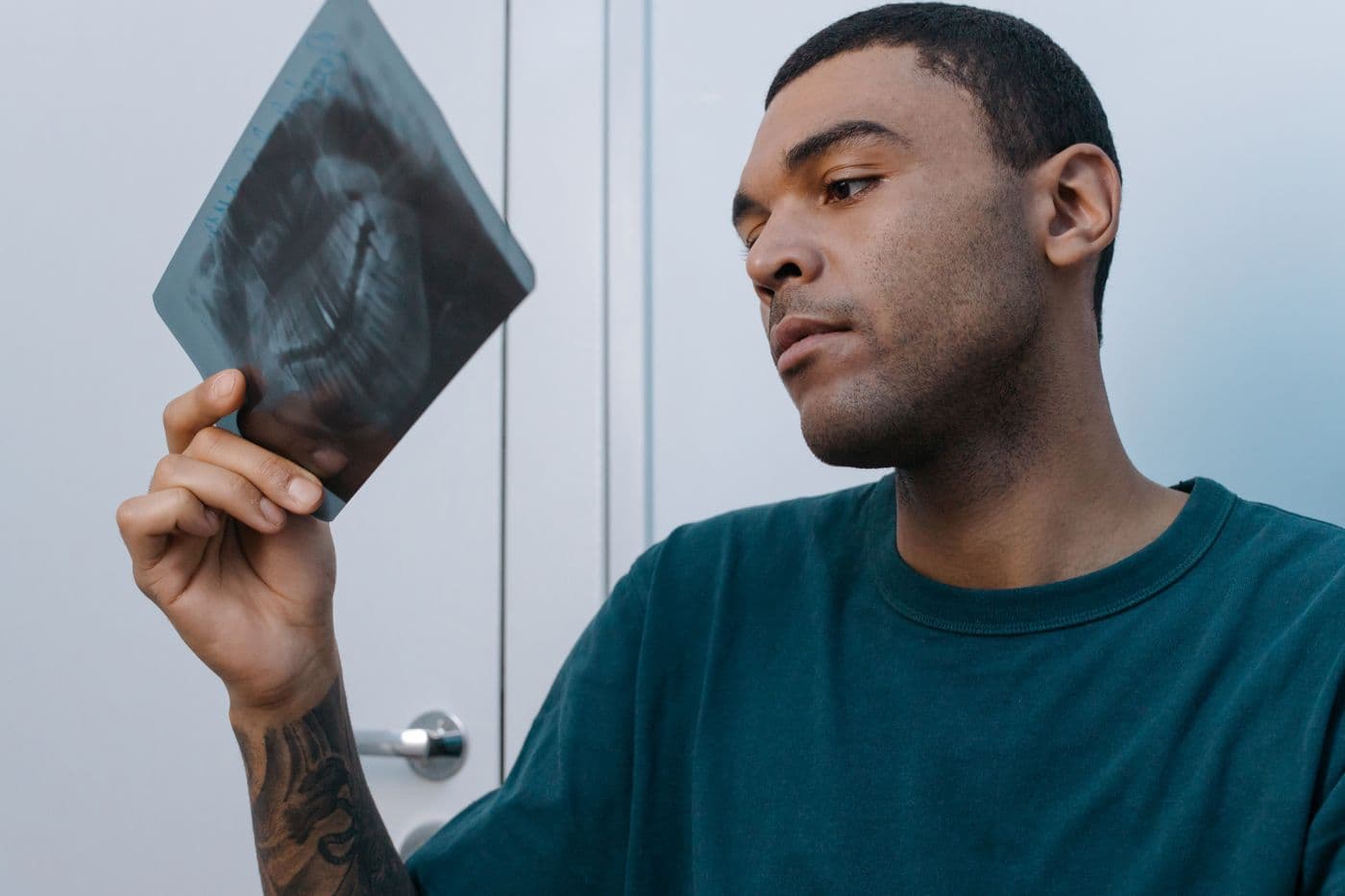
It starts with an examination and a digital X-ray, which show the angle of each tooth, how far the roots have developed, and how close they sit to nerves and neighbouring teeth. Together with your symptoms and history, that tells us whether to keep watching, take a tooth out ourselves, or send you to a specialist for surgery.
At Mount Druitt Dental Care, simple and surgical wisdom teeth removal is done under local anaesthetic, with sedation options available for surgical cases if you're nervous. Every patient goes home with a written aftercare pack, and a follow-up visit is included to check that healing is on track.
What Wisdom Teeth Removal Costs
There's no single price, because the work varies so much from tooth to tooth. For a benchmark, CHOICE's write-up of the Australian Dental Association's 2022 fee survey shows $149 to $300 per tooth for a routine extraction at a general practice (local anaesthetic included), and $315 to $599 per tooth for a complicated case handled by a specialist in a hospital or day-surgery setting.
Those figures are a few years old and exclude hospital and anaesthetist fees where they apply, so treat them as a rough guide rather than a quote. We'll give you a written quote after your X-ray, and our payment plans can spread the cost if you'd rather not pay it all at once. Health fund rebates depend on your policy, and HICAPS lets us claim on the spot.
At Mount Druitt Dental Care
Unsure What Your Wisdom Teeth Are Up To?
One examination and X-ray shows whether they can stay, should go, or are better handled by a specialist.
Recovery, Stage by Stage
Some soreness, swelling and minor bleeding for a few days is normal. Here's how it typically unfolds, based on Healthdirect's extraction advice and the Better Health Channel's guidance.
First 24 hours
Rest, skip sport, and leave the socket alone. Don't smoke or drink alcohol, and avoid rinsing — the blood clot that forms is what protects the healing bone.
Days 2 to 3
Swelling and soreness are usually at their peak. Soft foods, regular pain relief as advised, and a gentle salt-water rinse once the first 24 hours have passed.
The first week
Things should ease a little more each day. Stick with soft, lukewarm food, avoid straws, and keep brushing the rest of your mouth.
By week two
Allow as long as a fortnight for the socket to heal fully. Tougher surgical cases can take longer, and we'll tell you if yours is likely to.

When to Call Us After Removal
Ring us if you notice pain that won't let up, bleeding that's more than light oozing, a temperature above 38°C, or swelling that refuses to shrink or keeps growing — all of which Healthdirect flags as reasons to contact your dentist. Pain that was easing and then suddenly flares a few days in is the classic sign of dry socket.
Lower wisdom teeth sit close to the nerves supplying your lip and tongue, so temporary numbness is possible, and rarely longer-lasting changes in feeling. Your X-ray lets us tell you how close your own teeth sit to those nerves before you commit to anything.
Please note: Fee figures and recovery times are general guides as of October 2026. Swelling that affects your breathing or swallowing needs 000 or your nearest emergency department, not a dental appointment.