
In Short
- A tooth abscess is a pocket of pus from a bacterial infection inside the tooth or in the gum beside it. Healthdirect is clear: it will not get better on its own.
- Pain often eases when the pus finds a way out, but that doesn't mean the infection has gone. The bacteria are still there and the swelling can return, sometimes larger.
- Antibiotics can control a spreading infection. They cannot remove the source — that needs a root canal, drainage, or extraction depending on where the abscess started.
- Trouble breathing or swallowing, or swelling tracking toward the eye or neck, means go to a hospital emergency department or call 000 immediately.
A tooth abscess tends to announce itself clearly — there's a throb, a swelling, and often a pain that pulses with your heartbeat.
Then, sometimes, the pain stops.
That lull is what catches people out. Here's what an abscess is, what the symptoms mean, when it becomes a medical emergency, and what treatment actually involves.
What a Tooth Abscess Actually Is
Healthdirect describes a tooth abscess as a swollen lump filled with pus, caused by bacteria infecting the inside of a tooth or the area around its root.
There are two main types.
A periapical abscessstarts inside the tooth — usually because decay or a crack has allowed bacteria to reach the pulp, the nerve-and-blood-vessel tissue at the tooth's core. The infection tracks down the root canals and pools near the root tip.
A periodontal abscess starts in the gum tissue beside the tooth, not inside it — typically from advanced gum disease that has allowed bacteria to collect in a deep pocket beside the root. The tooth itself may be structurally sound.
Symptoms to Take Seriously
You don't need the whole list.
One or two of these — especially swelling plus pain on biting — is enough reason to be seen promptly rather than waiting to see if it settles:
- Throbbing or sharp toothache that gets worse when biting or chewing
- Sensitivity to hot or cold that lingers well after you stop eating or drinking
- Swelling in the gum, cheek, or jaw — sometimes reddened and warm to touch
- A persistent bad taste or bad breath that doesn't clear when you brush
- A raised, pimple-like bump on the gum near the tooth — this is pus building up under the surface
- Fever, swollen glands under the jaw, or a tooth that feels suddenly loose
Pain is not a reliable gauge of how serious an abscess is.
Why the Pain Sometimes Stops — and Why That's Not Good News
An abscess builds pressure because pus is trapped in a small space.
When that pressure finds a release — pus draining through the pimple-like bump on the gum, or through a tiny opening in the gum tissue — the throbbing can drop significantly, sometimes within hours.
The same thing can happen when the nerve inside the tooth dies.
The hot-and-cold sensitivity stops because there is no longer a living nerve to signal pain. In both cases the bacteria are still there, still active, and the infection can resurface — sometimes with more swelling and in a slightly different location. Healthdirect is explicit that an untreated abscess can lead to serious complications.
When It Becomes a Hospital Problem
Most abscesses we see are localised — treated in the chair without any risk to general health.
A smaller number are spreading, and those should not wait for a dental appointment.
Call 000 or go directly to an emergency department if you have any of the following:
- Trouble breathing, speaking, or swallowing
- Swelling spreading under the tongue, under the jaw, around the eye, or down the neck
- Drooling or difficulty managing saliva
- Rapid worsening of facial swelling over a few hours
- Feeling severely unwell, confused, or showing signs of high fever with systemic illness
What Treatment Involves
The aim is to remove the source, not just reduce symptoms.
What that looks like depends on where the infection is and whether the tooth can be kept:
Drain the pus
When fluid has collected under pressure, releasing it brings quick pain relief. Drainage on its own doesn't remove the source — further treatment of the tooth or gum is nearly always needed as well.
Root canal treatment
When the infection started inside the tooth and the tooth is worth saving, a root canal cleans the infected pulp from the canals, disinfects, and seals them. Healthdirect is clear that antibiotics alone don't cure a root canal infection — the source inside the tooth has to be physically removed.
Extraction
If the tooth is too broken, too loose, or the supporting structure is too compromised, removing the tooth is the most reliable way to eliminate the source. We only recommend this when saving the tooth isn't a realistic option.
Periodontal treatment
A gum abscess — caused by disease in the tissues around the tooth, not inside it — is treated by cleaning out the infected pocket. Follow-up gum care is usually needed to reduce the risk of it recurring.
A tooth that has had root canal treatment often needs a crown afterwards — removing the pulp leaves it more brittle and at higher risk of cracking under normal biting pressure. Whether you need one depends on how much healthy tooth structure remains. More about the procedure is on our root canal page.

Where Antibiotics Help — and Where They Don't
Antibiotics are useful.
When an infection is spreading, when you have a fever or feel genuinely unwell, or when there is a short delay before the tooth can be treated, antibiotics help contain the spread and reduce systemic symptoms.
What they don't do is reach inside a tooth and clean out an infected canal.
Healthdirect states that antibiotics alone are not enough to treat a tooth abscess, and its root canal guidance makes the same point: antibiotics do not cure a root canal infection.
If a GP has already prescribed antibiotics, finish the course as directed — but still book with us, because the tooth that caused the abscess still needs to be treated.
Already on antibiotics? Great — finish the course. But still book with us to treat the tooth that started it, otherwise the same thing will likely happen again.
At Mount Druitt Dental Care
Swelling or a Throbbing Tooth?
Call (02) 9055 1735. Same-day appointments during opening hours. No emergency surcharge.
Reducing the Risk of an Abscess
Not every abscess can be prevented — a crack from a sports knock or a failed filling can happen even with good hygiene.
What regular care does is catch the conditions that lead to abscesses before they get there:
- Brushing twice a day with fluoride toothpaste and cleaning between teeth daily
- Attending check-ups regularly so decay and cracks are caught before they reach the nerve
- Getting a cracked, chipped, or aching tooth looked at early — before bacteria find their way in
- Wearing a fitted mouthguard for contact sport
- Following up on gum disease treatment and keeping regular periodontal reviews if you've had it
How We Treat This at Mount Druitt Dental Care
Call (02) 9055 1735 and tell us you have swelling or a suspected abscess.
During opening hours — Monday to Friday 9am–9pm, Saturday 9am–5pm — we see dental infections the same day. There is no emergency surcharge.
After hours, the same number reaches us for advice. We'll tell you whether the situation needs a hospital tonight, or whether it can wait until we open.
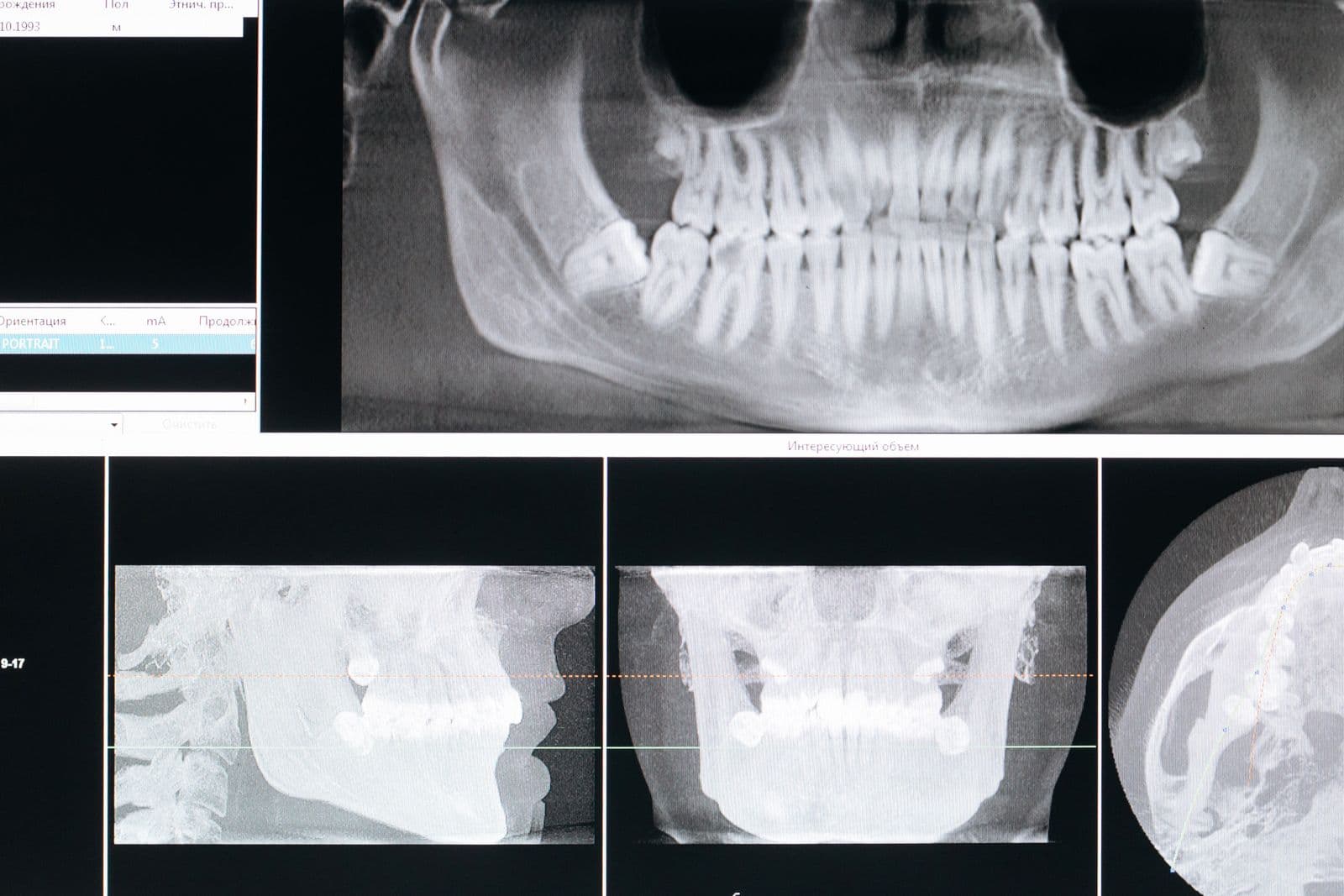
The visit starts with an exam and an X-ray. We get the pain under control, treat the infection, and book whatever the tooth still needs as a follow-up. Full detail on what an emergency appointment involves is on our emergency dental page.
Please note: This article provides general information based on Healthdirect guidance current as of September 2026. It is not a substitute for professional assessment. Facial swelling with difficulty breathing or swallowing is a medical emergency — call 000.