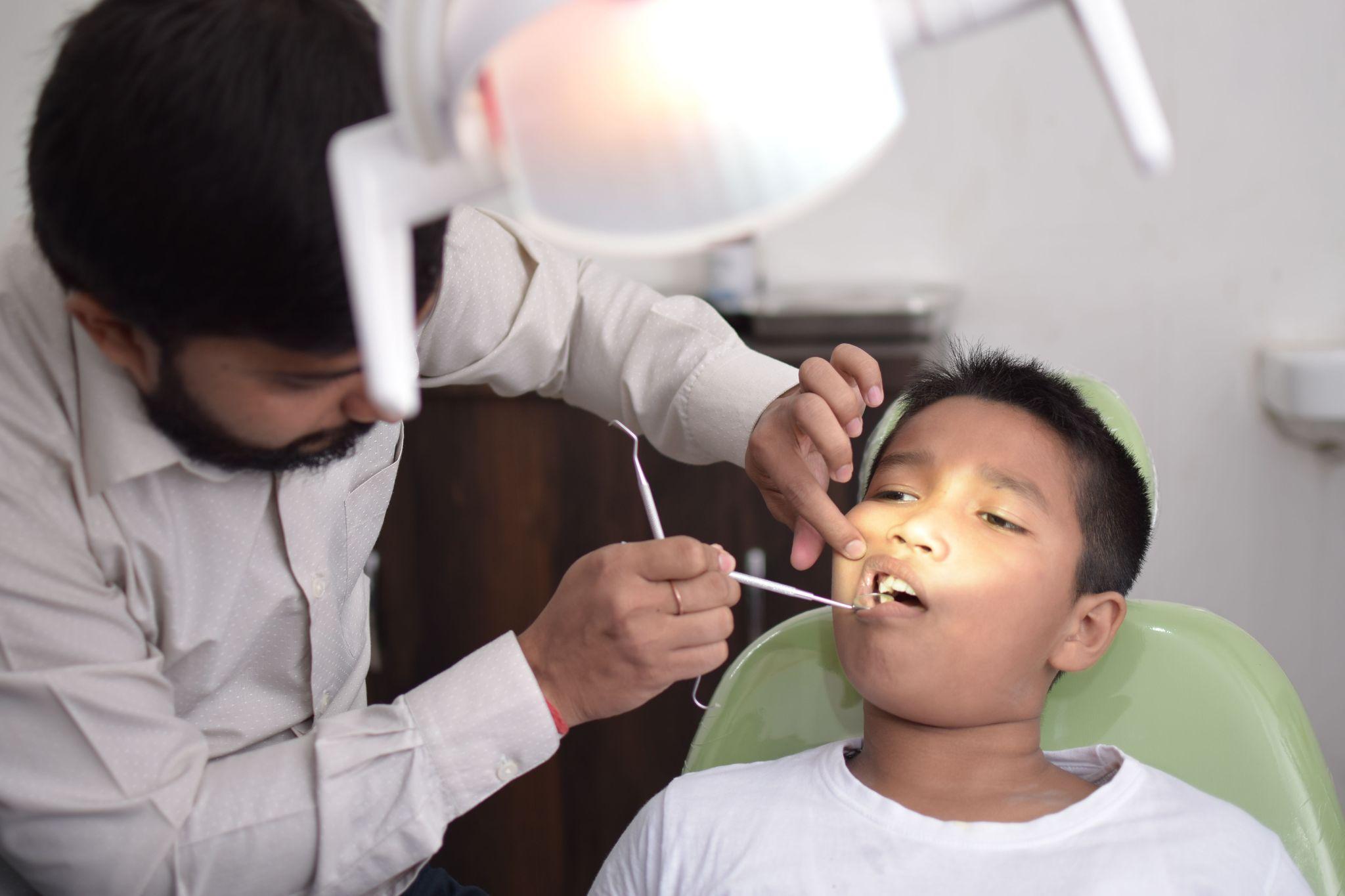
Families searching for a paediatric dentist in Mt Druitt can choose between a registered paediatric dental specialist and a family dental practitioner experienced in treating children. Family dentists can provide routine and preventive dental care, while paediatric specialists can manage more complex oral health needs.
Understanding the difference can help parents make informed decisions about their child's dental health. This guide explains the services each provider offers, when specialist care may be necessary and how the Child Dental Benefits Schedule (CDBS) can help reduce dental expenses.
What is the difference between a paediatric dentist and a family dentist?
A paediatric dentist is a registered dental specialist with additional training in treating infants, children and adolescents, while a family dental practitioner provides general oral healthcare to patients of different ages, including children.
Both can support healthy tooth development, prevent dental problems and provide treatment appropriate to their qualifications and experience.
Family dentistry
Family dental practices provide preventive, restorative and routine dental services for children and adults. For families looking for a children's dentist, a family practice experienced in treating young patients is often a suitable starting point for routine dental care.
Common services include:
- Routine dental check-ups and professional cleaning
- Fluoride applications to strengthen tooth enamel
- Fissure sealants to protect vulnerable back teeth
- Tooth-coloured fillings for cavities
- Oral hygiene and dietary advice
- Custom sports mouthguards
Regular appointments also allow the dental team to monitor tooth development and identify potential problems early.
Specialist paediatric dentistry
Paediatric dentistry is a recognised dental specialty in Australia. Specialists have additional qualifications and training to assess and manage complex oral health conditions affecting children.
Specialist care may be appropriate for children with:
- Extensive tooth decay requiring complex treatment
- Developmental abnormalities affecting the teeth
- Significant dental anxiety that prevents routine care
- Additional medical or behavioural needs affecting treatment
- Complicated dental injuries
A family practitioner can assess these concerns and arrange a specialist referral where clinically appropriate.
Choosing between a paediatric dentist in Mt Druitt and other dental providers
The most suitable dental provider depends on a child's age, oral health, medical history and treatment needs. Routine preventive appointments may be managed at a local family practice, while more complicated conditions may require specialist assessment.
The following comparison outlines the main dental care pathways available to families in Mount Druitt and surrounding areas.
| Dental provider | Best suited to | Common services | CDBS availability | Where to access care |
|---|---|---|---|---|
| Family dental practice | Routine and preventive care | Check-ups, cleaning, fillings and fluoride | Available at participating practices | Local family dental clinics in Mount Druitt |
| Paediatric dental specialist | Complex childhood dental needs | Advanced assessment and specialised treatment | Selected eligible treatments only | Registered specialist practices in Western Sydney |
| Public dental clinic | Children eligible for NSW public dental services | General dental assessment and treatment | Free for eligible children, regardless of CDBS eligibility | NSW Health public dental services |
| Specialist orthodontist | Complex tooth alignment and bite concerns | Orthodontic assessment and braces | Orthodontic treatment is not covered | Registered orthodontic practices |
For example, a seven-year-old who needs fissure sealants and a routine clean may be suitably treated at a family practice. A child of the same age with a complex medical condition affecting dental treatment may benefit from specialist care.
The nature of the dental problem, rather than age alone, helps determine the appropriate provider.
When should children visit a dental clinic?
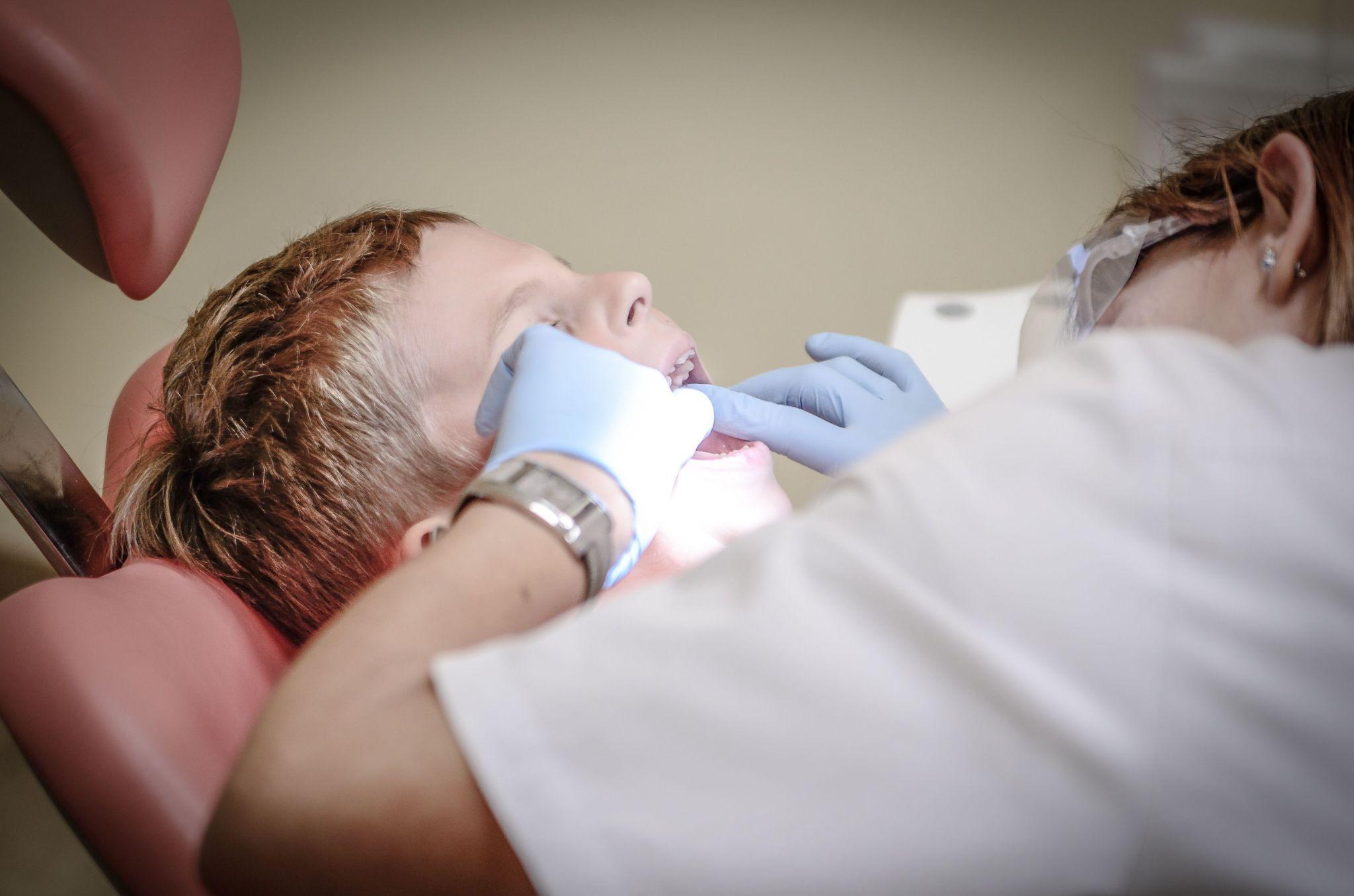
Children should have their first dental visit when their first tooth appears or by their first birthday, whichever happens first. Early visits help establish familiarity with the dental environment and allow developing oral health concerns to be identified.
A child's first dental check-up
An initial appointment usually focuses on examining the teeth and gums, reviewing oral development and discussing everyday brushing and feeding habits.
Dental professionals may also use age-appropriate language and introduce instruments gradually to help kids feel safe during examinations.
Routine preventive appointments
The frequency of regular dental appointments depends on a child's oral health and risk of developing dental problems. Children with an increased risk of cavities may need more frequent monitoring.
Preventive treatment can include fluoride applications, fissure sealants and advice on how to brush effectively. Dental X-rays may also be recommended when clinically necessary.
Unexpected dental problems
A persistent toothache, broken tooth, swollen gums or dental injury warrants prompt professional assessment.
Families in Mount Druitt and Blacktown may be able to access same-day emergency appointments through local dental practices. Facial swelling accompanied by difficulty breathing or swallowing requires immediate emergency medical attention.
What dental services are covered by the Child Dental Benefits Schedule?

The Child Dental Benefits Schedule is an Australian Government program administered through Medicare that helps cover basic dental services for eligible children aged 0 to 17.
For benefit periods starting in 2026, CDBS provides up to $1,158 per eligible child across two consecutive calendar years, subject to continuing eligibility.
Dental treatments covered by CDBS
CDBS can contribute towards common preventive and restorative procedures, including:
- Dental examinations and check-ups
- Professional tooth cleaning
- Dental X-rays
- Fissure sealants
- Fillings
- Root canal treatment
- Tooth extractions
Covered services are subject to benefit limits, clinical requirements and applicable claiming rules. A treatment plan can help families understand which procedures qualify for funding.
Treatments not covered by CDBS
CDBS does not cover cosmetic dentistry, orthodontic treatment such as braces, or dental services provided in hospital.
When specialist treatment falls outside the program's coverage, families should request an itemised estimate and discuss available payment options before proceeding.
How does CDBS eligibility and bulk billing work in Mount Druitt?
CDBS eligibility depends on a child's age, Medicare eligibility and whether the child or their family receives a qualifying government payment. Eligible families can access participating dental providers in Mount Druitt for covered treatment.
Checking CDBS eligibility
Children may qualify for CDBS if they meet all three requirements:
- They are eligible for Medicare.
- They are aged 0 to 17 for at least one day during the calendar year.
- They or their parent, guardian, carer or approved care organisation receive a qualifying payment at least once during that year.
Family Tax Benefit Part A is one of the qualifying payments.
Parents can check eligibility and remaining balance through their Medicare online account linked to myGov. The dental team can also confirm available benefits using the child's Medicare details.
Understanding the two-calendar-year benefit period
The CDBS allowance applies across two calendar years, starting in the year of the first eligible dental service, rather than resetting after every appointment or annually.
For a child whose benefit period starts in 2026, the following example illustrates how the allowance could be used.
| Calendar year | Example benefit usage | Remaining balance |
|---|---|---|
| 2026 | $400 | $758 |
| 2027 | $500 | $258 |
This is an illustrative example rather than a treatment quote. The remaining $258 expires at the end of 2027 if unused, and benefits in the second year are conditional on continued eligibility.
Bulk-billed dental appointments
When a participating practice agrees to bulk bill a covered CDBS procedure, the practice accepts the applicable benefit as full payment for that service.
This means families may receive eligible treatment without an out-of-pocket expense. Procedures outside CDBS coverage or beyond the available balance may involve additional charges.
What should parents look for in a children's dental clinic?
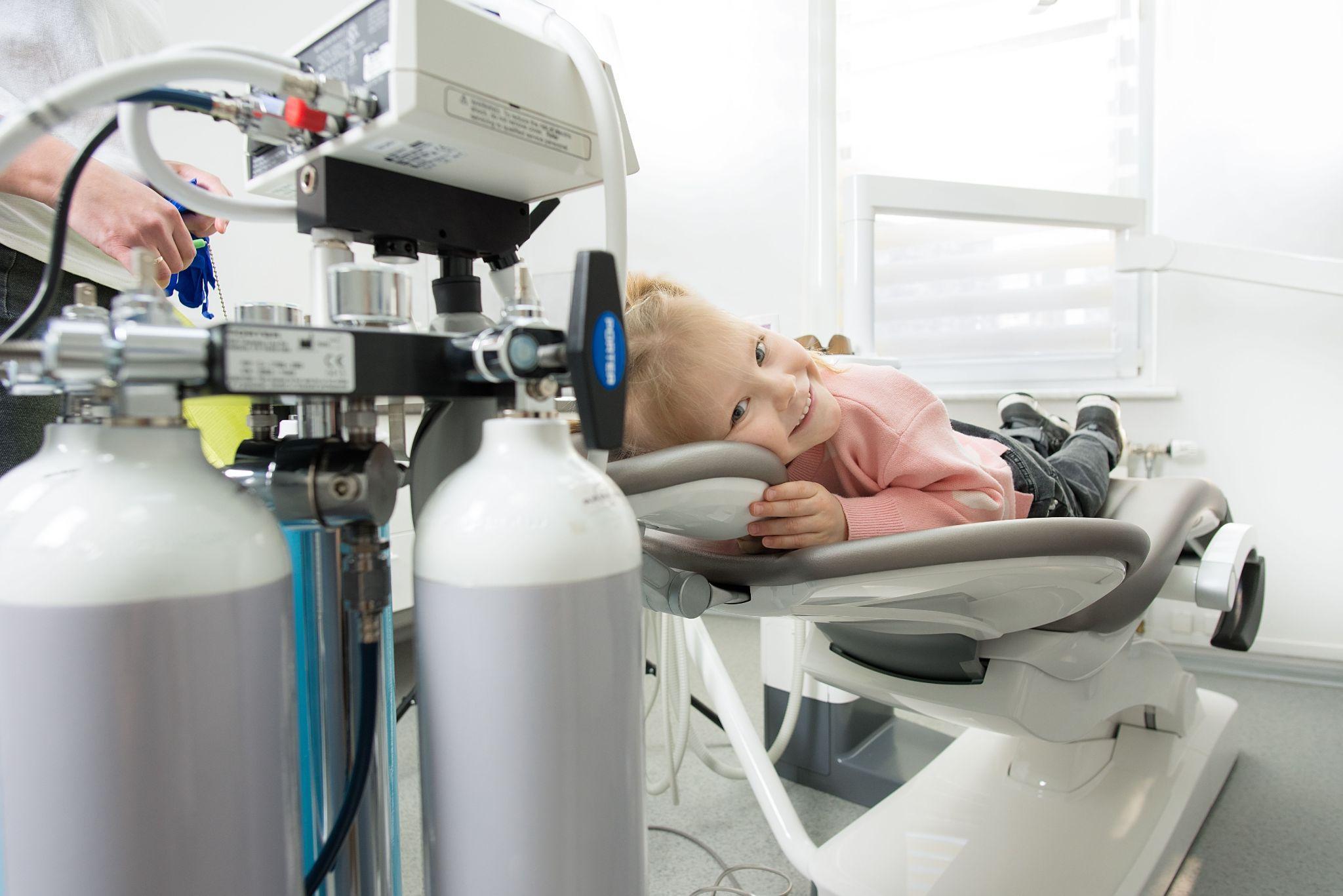
A suitable children's dental practice should provide age-appropriate communication, clear treatment recommendations and care that reflects the child's individual oral health needs.
For families comparing dental providers, several practical considerations can help guide the decision.
Experience treating children
A dental practitioner experienced in children's dentistry should be able to assess developing teeth, recognise common childhood dental conditions and adapt treatment to different ages.
Parents seeking a registered paediatric specialist can verify specialist registration through the Australian Health Practitioner Regulation Agency (Ahpra).
A child-friendly approach
Gentle communication, gradual introductions to dental equipment and appropriate breaks can help children become more comfortable during appointments.
A supportive environment is particularly valuable for children attending their first check-up or those with previous negative dental experiences.
Transparent fees and accessible appointments
Clear information about treatment costs, CDBS eligibility and available payment arrangements helps families plan dental expenses.
Convenient opening hours, accessible facilities and appointment availability are also worth considering, particularly for families managing school and work schedules.
Find the right dental care for little smiles in Mount Druitt
A family dental practice is often an appropriate starting point for routine childhood oral healthcare, while a paediatric specialist may be needed for more complex conditions. Early assessment and regular preventive visits can support healthy tooth development and identify concerns before they become more difficult to manage.
At Mount Druitt Dental Care, we provide children's dentistry, preventive care and restorative treatments tailored to individual oral health needs. We also offer CDBS bulk billing for eligible services and can help families understand their child's available benefits.
Families can contact our teamto discuss their child's appointment.
At Mount Druitt Dental Care
Booking for Your Child?
CDBS bulk billing for eligible services.