In Short
- A check-up and clean is really two things in one visit: a full examination, then a professional scale and polish.
- Most people need one every 6 to 12 months, though your own interval depends on your gum health, habits and risk factors.
- Nationally, the Australian Dental Association's fee survey data (via CHOICE) puts the average check-up and clean at around $219, typically ranging $162–$309.
- Your health fund rebate depends on your policy, limits and any waiting periods — ask your practice for a written quote before booking.
"How often should I actually go?" is one of the questions we hear most at our Mount Druitt practice — usually from someone who can't quite remember when their last visit was. The honest answer depends on your mouth, not the calendar. This guide walks through what happens during a check-up and clean, how dentists decide on a recommended interval, and what you can expect to pay.
What Actually Happens During a Check-Up and Clean
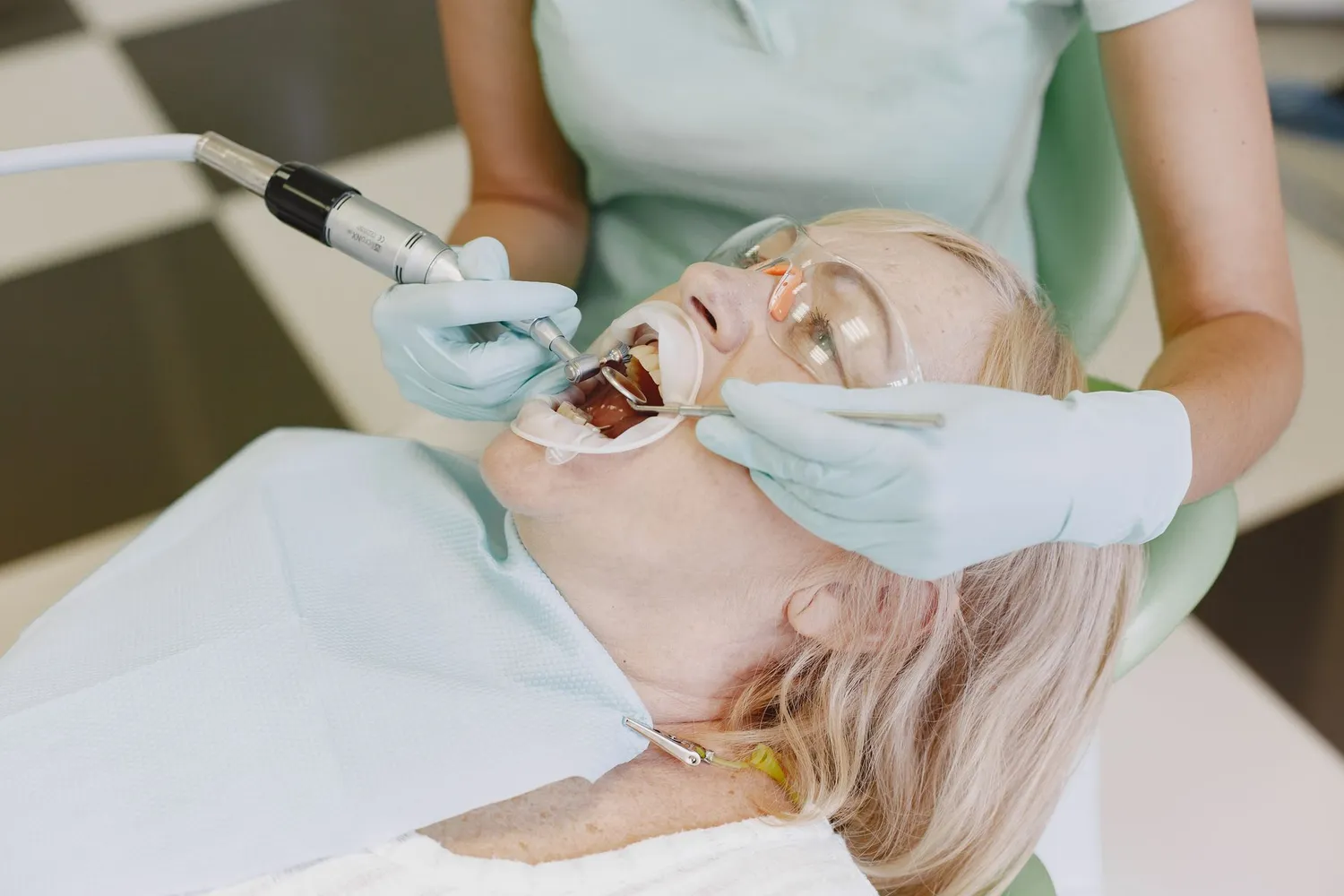
Despite the single appointment, a check-up and clean covers two distinct jobs. First, your dentist assesses the health of your teeth, gums and mouth. Second, your teeth get a thorough professional clean. Here's what that looks like in practice.
The Examination
Your dentist checks each tooth for decay, cracks and wear, and looks over your gums for early signs of inflammation or gum disease. They'll also assess your bite and jaw joints, and take a look at your lips, tongue and the soft tissue in your mouth, flagging anything that needs a closer look. It's generally a quick, comfortable process — if your gums are inflamed or your teeth are sensitive, just mention it beforehand so we can take extra care.
The Scale and Polish
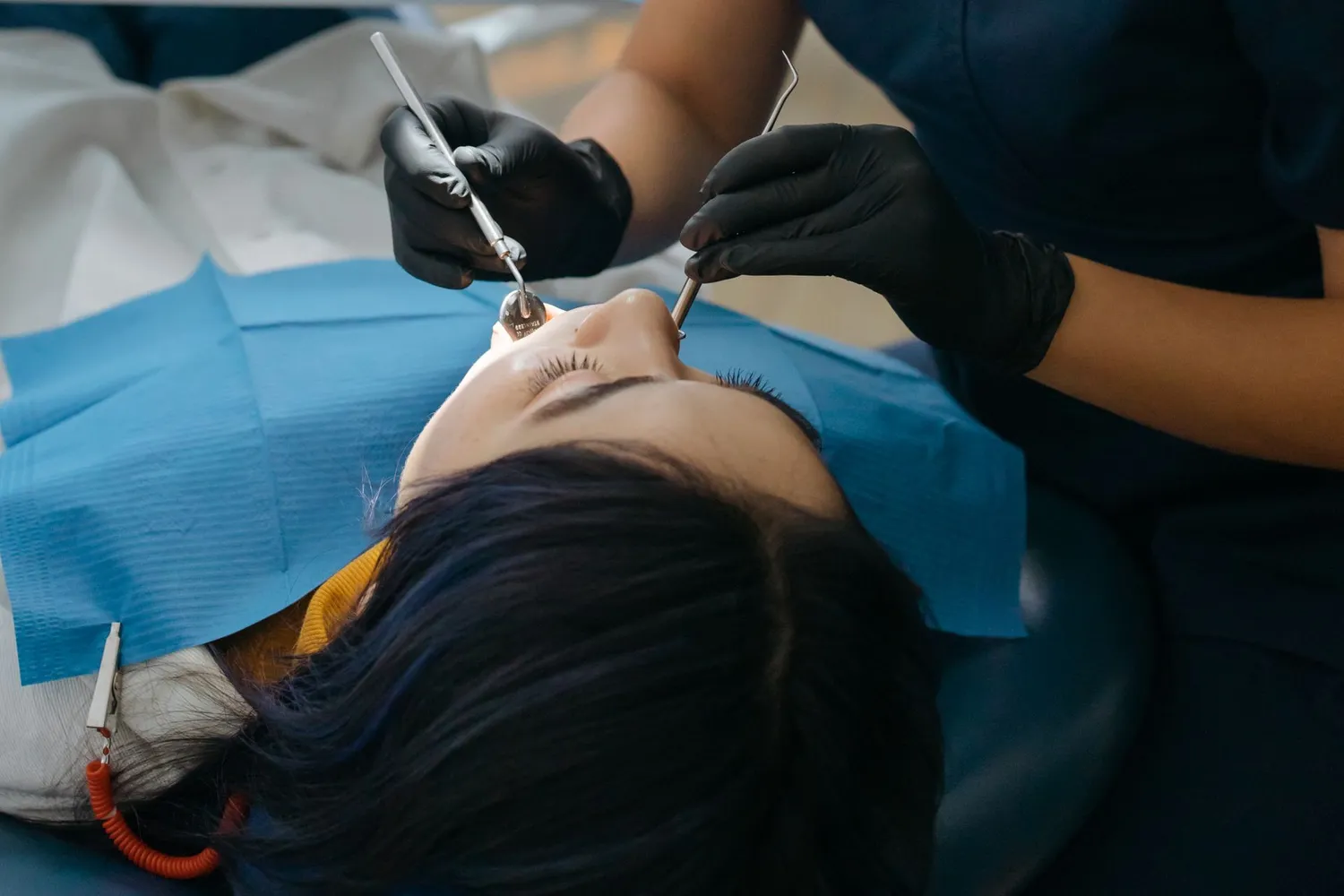
This is the part most people mean when they say "getting my teeth cleaned." Using an ultrasonic scaler and hand instruments, we remove plaque and hardened tartar from around and between your teeth — including the spots your toothbrush can't reach. Once the tartar is gone, your teeth are polished to smooth the surface and lift staining from coffee, tea or red wine, and a floss finishes the job.
X-Rays, When They're Needed
X-rays aren't taken at every single visit. We recommend them when they're clinically useful — based on your symptoms, what we find during the exam, your age, your decay risk, and how long it's been since your last set of images.
Fluoride and Personalised Advice
Where it's appropriate for your oral health, we may recommend a fluoride treatment, along with tailored advice on brushing technique, flossing and diet. Appointments typically run for around 20 to 30 minutes, though it can vary depending on what's involved.
How Often Do You Actually Need One?
Healthdirect Australia's general guideline is a check-up every 6 to 12 months, with your dentist confirming the right interval for you based on your teeth, gums and individual risk factors. Despite that recommendation, the Australian Bureau of Statistics' most recent Patient Experience Survey found just over half of Australians aged 15 and over (53.9%) had actually seen a dental professional in the previous year — which tells you this is a guideline plenty of people quietly let slide.
You May Need More Frequent Visits If:
- You have gum disease or have had periodontal treatment before
- You smoke or vape regularly
- You're pregnant — hormonal changes can make gums more sensitive
- You have diabetes, which can affect healing and infection risk
- You have braces, implants or crowns that need extra monitoring
- You tend to get cavities or build up tartar quickly
When Once a Year Is Enough
Patients with consistently healthy teeth and gums, a low decay risk, and solid home hygiene habits are sometimes moved onto a 12-month schedule. That said, it's a call your dentist makes after tracking your oral health over a few visits — not something to decide off your own back.
Booking for a child? Ask us about Children's Dentistry — the Child Dental Benefits Schedule (CDBS) may cover part or all of the cost of a check-up for eligible families.
What Does a Check-Up and Clean Cost?
Prices vary between practices, but there is national data to give you a general benchmark. According to CHOICE, the most recently published Australian Dental Association fee survey puts the average cost of a periodic check-up — exam, scale and clean, plus fluoride — at around $219, with a typical range of $162 to $309. Treat these as a general guide rather than a quote; always confirm current fees directly with your practice.
The biggest factors that move the price up or down are whether X-rays are taken, how much tartar needs removing, and whether it's a first visit to that practice (new patient exams usually take longer). A straightforward maintenance clean for someone with good oral hygiene tends to sit towards the lower end.
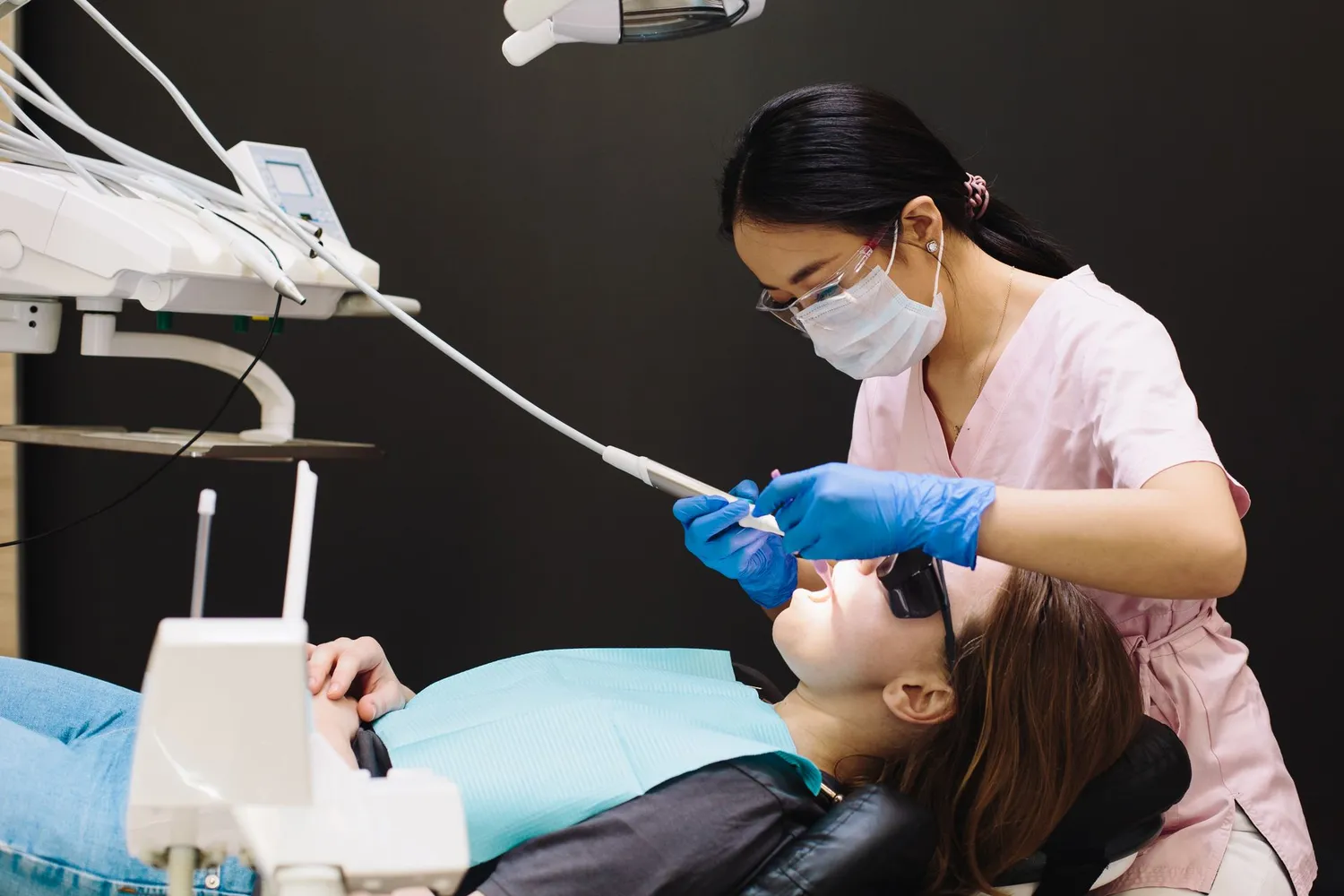
At Mount Druitt Dental Care, we keep it simple: our regular Check-Up & Clean is a flat $129, and that includes a full exam, professional clean and polish, and X-rays if your dentist finds they're clinically needed — no surprise add-ons on the day.
If you're with a health fund, the rebate you receive depends on your specific policy, annual limits and any waiting periods, so it's worth checking your cover before you book. We have HICAPS on-site, which lets us process an eligible claim on the spot so you only pay the gap — though HICAPS itself doesn't guarantee a particular rebate amount.
At Mount Druitt Dental Care
Check-Up & Clean — $129
Includes exam, professional clean and X-rays if needed. Open late weekdays and Saturdays.
What Happens If the Dentist Finds a Problem?
Cavities and Tooth Decay
Spotting a cavity doesn't usually mean treatment on the spot. We'll explain the size and location of the decay and book a separate appointment for a filling if one's needed. Catching decay at a routine check-up — rather than waiting until it hurts — is exactly why regular visits matter.
Gingivitis and Gum Disease
Bleeding or swollen gums are usually a sign of gingivitis, which is typically reversible with professional advice and better home care. Receding gums can have a few different causes, including more advanced gum disease (periodontitis), so it's worth having them assessed by a dentist rather than assuming they'll sort themselves out.
Getting Ready for Your Appointment
- Brush and floss as you normally would beforehand — there's no need to overdo it the night before
- Bring your health fund card if you'd like to claim on the spot
- Jot down any sensitivity, pain or concerns you want to mention
- If it's your first visit with us, arrive a few minutes early for new patient paperwork
- Ask us about payment plans if cost is on your mind
If it's been more than a year since your last visit, or you genuinely can't remember when it was, that's reason enough to book — not something to feel awkward about.
Please note: Prices, offers and health fund information mentioned in this article are correct as of August 2026 and may change. For advice specific to your own teeth and gums, please book a consultation with our team.